Wireless Bluetooth vs. Handheld OBD2 Scanners: Which Type is Right for Your Glovebox?
Both read the same codes. The real difference is how you'll actually use one day to day.
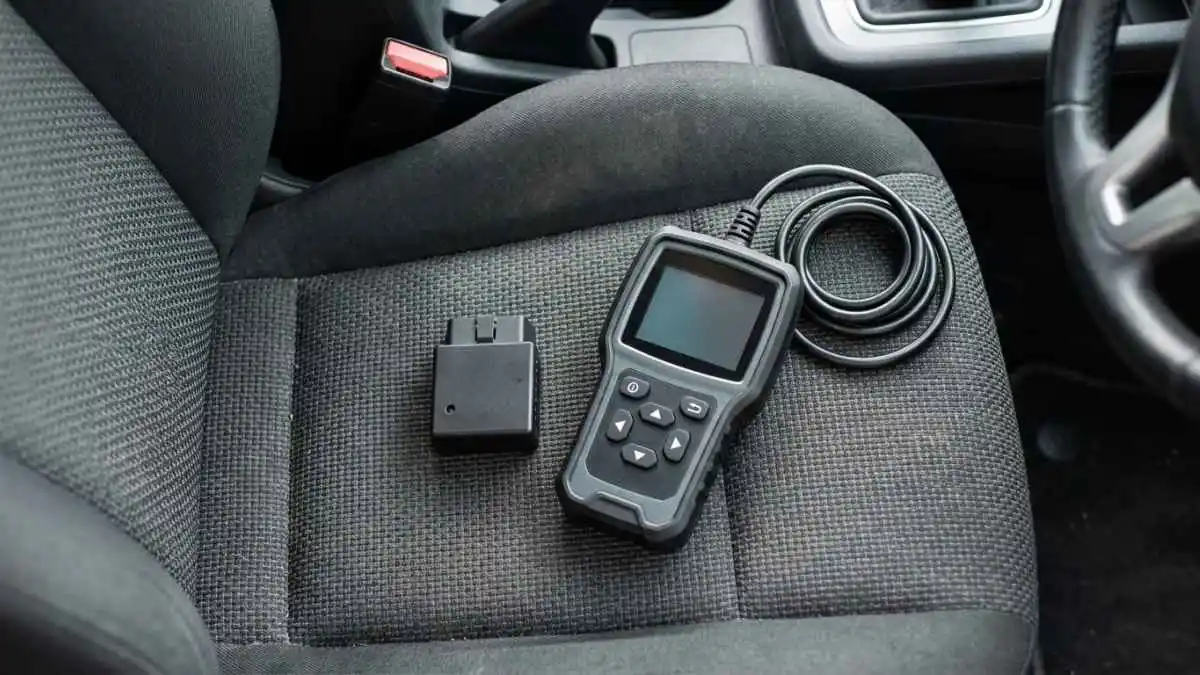
People ask me this more than almost any other buying question: should they get one of the small Bluetooth dongles that pair with a phone app, or a standalone handheld unit with its own screen? Both do the core job — reading and clearing OBD2 codes — equally well. The real differences show up in how they fit into your actual routine, not in raw capability.
The Core Difference
A Bluetooth adapter is a small plug that has no screen of its own. It connects wirelessly to a companion app on your phone, which does the display and interpretation. A handheld scanner is a self-contained device — its own screen, its own buttons, no phone required at all.
- Usually cheaper for the base hardware
- Small enough to leave permanently plugged in or tucked in the glovebox
- Uses your phone's larger screen and processing power
- App updates happen automatically, no firmware hassle
- Needs a charged phone to be useful
- Quality depends heavily on the companion app, not just the hardware
- Occasional pairing hiccups, especially with older phones
- Fully standalone — no phone battery to worry about
- Generally more rugged, built for glovebox and toolbox life
- Simple for anyone who isn't comfortable with apps
- Physical buttons work fine with gloves on in cold weather
- Bulkier to store and carry
- A good one typically costs more than a basic Bluetooth adapter
- Firmware updates are less convenient than an app auto-update
Both types read from the exact same OBD2 port using the same protocol, and pull identical code data. Neither type is more "accurate" by category — accuracy comes down to the quality of the specific device and, for Bluetooth units, the app reading it. The choice here is genuinely about convenience and how you'll use it, not about one being a lesser tool.
Which One Actually Fits Your Situation
- Occasional light-checker — a basic Bluetooth adapter is usually the better value; you already have the screen in your pocket.
- Family member who isn't tech-comfortable — a handheld scanner removes the app-pairing step entirely, which matters more than any feature list.
- DIYer who wants live data graphs — a good Bluetooth app on a phone screen is usually easier to read than a small handheld display.
- Someone who wants a "just works" glovebox tool — a handheld unit that doesn't depend on phone battery or app updates fits that role well.
- Same underlying data — both read and clear identical OBD2 codes.
- Bluetooth — cheaper, compact, relies on your phone.
- Handheld — standalone, rugged, no phone dependency.
- Pick based on routine, not capability — both are genuinely capable tools.