The 5 Most Common OBD2 Codes Every Car Owner Will Eventually Face
Statistically, one of these five will show up on your dashboard sooner or later. Here's what each one actually means.
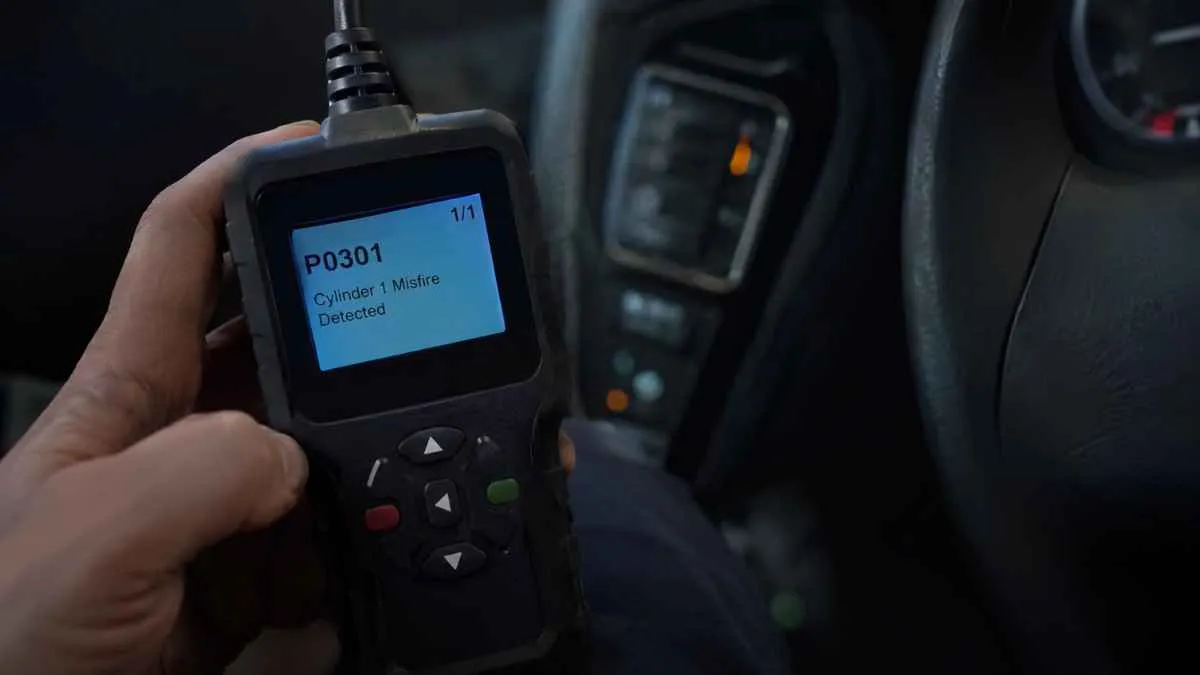
After enough years doing this, you start to notice the same handful of codes coming back again and again. Cars are different, drivers are different, but the physics underneath a lot of these problems is surprisingly consistent. If you own a car long enough, there's a good chance you'll eventually see at least one of these five on a scan tool.
I'm not going to give you the full diagnostic breakdown for each here — that's what the individual code guides are for, and I've linked each one below. Think of this as the map before the detailed directions: enough to recognize what you're looking at and roughly how worried to be.
The 5 Codes
The most common check engine code, period
This means the engine is getting more air than fuel than it should be. In a large share of real cases, the cause is something simple and inexpensive — a cracked vacuum hose or a dirty airflow sensor. It can also point to a weak fuel pump, which is a bigger job, so ruling out the cheap causes first matters here more than almost anywhere else.
Full P0171 guide →Often blamed on the wrong part
This code technically means the catalytic converter isn't performing as expected. What it doesn't tell you is why. A failing oxygen sensor or an engine misfire can make a perfectly healthy catalytic converter look bad on a scan. Replacing the converter without checking what's upstream of it is one of the more expensive misdiagnoses I've seen repeated over the years.
Full P0420 guide →The one most likely to come with a flashing light
The engine is skipping, and the computer can't pin it to one specific cylinder. Spark plugs and ignition coils are the most frequent causes, both inexpensive parts. If this code shows up alongside a flashing (not steady) light, it's worth treating with more urgency — see our guide on whether it's safe to keep driving with a flashing light.
Full P0300 guide →Usually the cheapest fix on this entire list
This one deserves its reputation as the "check your gas cap" code, because that's genuinely the cause a large share of the time. A loose, cracked, or missing gas cap is enough to trigger it. Before assuming anything more complicated, it's worth checking the cap first — it costs nothing and takes ten seconds.
Full P0455 guide →The one that doesn't make the car feel broken
This shows up when the engine takes longer than expected to reach normal operating temperature — usually because the thermostat is stuck open. The car will generally still drive fine, which is exactly why people tend to ignore it. Left alone, it quietly hurts fuel economy, cabin heat in cold weather, and can be enough on its own to fail an emissions test.
Full P0128 guide →Four out of these five codes have a genuinely inexpensive, common cause as the most likely explanation. The exception, P0300, still often traces back to plugs or coils rather than anything more serious. None of that guarantees your specific case is the cheap one — but it's exactly why starting with the cheapest, most common cause first is worth doing before authorizing anything bigger.
- P0171 — too lean, usually a vacuum leak or dirty sensor.
- P0420 — catalyst efficiency, often really an upstream sensor or misfire issue.
- P0300 — random misfire, usually plugs or coils.
- P0455 — large EVAP leak, check the gas cap first.
- P0128 — slow-to-warm thermostat, drives fine but hurts efficiency and emissions.