The Diagnostic Fee Trap: How to Use Your Own OBD2 Scanner to Avoid Getting Ripped Off at the Shop
Not about avoiding the shop — about walking in already knowing one thing they'd otherwise charge you to find out.
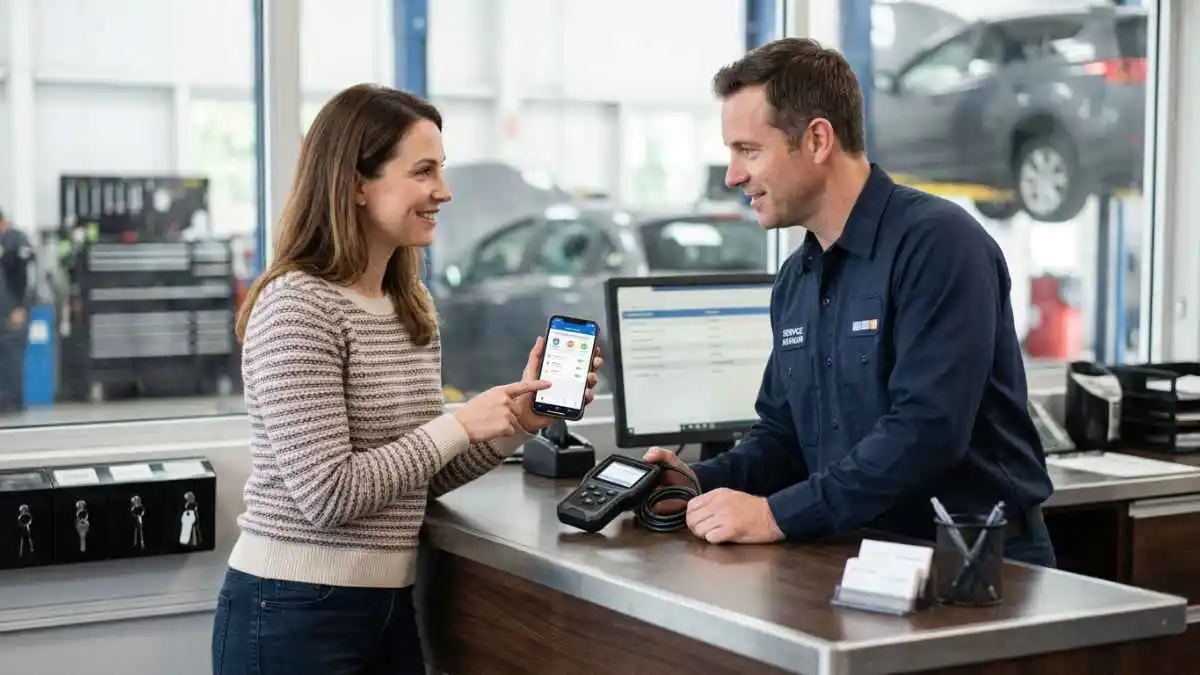
I want to be upfront about something before getting into this: most shops aren't trying to rip anyone off. The technicians I've worked alongside over the years are, by and large, trying to do an honest job under real time pressure. This isn't a guide about outsmarting shady mechanics. It's about one small piece of leverage that changes the conversation in your favor, no matter how honest the shop is.
What the Diagnostic Fee Actually Pays For
A diagnostic fee generally covers a technician's time to connect a scanner, interpret what it shows, and physically inspect the car to confirm the cause. That's legitimate labor, and it's fair to charge for it. But notice what's bundled into that fee: discovery (finding the code) and interpretation (figuring out what it means). If you walk in already knowing the code, you've done the discovery part yourself, for free, in your own driveway.
How Walking In With a Code Changes the Conversation
Without a code, the conversation starts with "something's wrong with my car, can you find out what." You're handing over the entire process and trusting the shop's word on where it started. With a code in hand, the conversation starts differently: "here's the code my scanner pulled, what's your plan to confirm it and what are you checking first." That's a meaningfully different starting position — you're now a participant in the diagnosis, not just a customer waiting for a verdict.
Ask what's being checked first
A shop diagnosing properly starts with the cheapest, most common cause for your specific code and rules it out before moving to anything expensive. Asking this question directly, code in hand, makes it clear you're paying attention without being confrontational about it.
Get a second opinion armed with the code
If a quoted repair sounds larger than expected, having the code already in hand makes a second opinion fast and cheap. You're not paying another diagnostic fee to start from zero somewhere else, just to compare what each shop says about the same starting point.
Verify the fix yourself afterward
Once the repair is done, use your own scanner to confirm the code doesn't return after a normal drive cycle. This isn't about distrust — it's the same verification step any careful shop does internally, just doubled with your own confirmation.
None of this is about walking into a shop ready for a fight. It's about removing one specific inefficiency — paying full price to discover something you could have found for free — and using the time you save to ask better questions instead. A good shop will barely notice the difference. A shop that reacts badly to an informed customer is telling you something too.
- The diagnostic fee bundles discovery and interpretation — you can do discovery yourself for free.
- Walking in with a code shifts you from passive customer to informed participant.
- Ask what's being checked first — cheap causes before expensive ones.
- A code makes second opinions fast and doesn't cost another full diagnostic fee.
- Verify the fix afterward with your own scanner, not out of suspicion, just confirmation.