Is Your Car OBD1 or OBD2? How to Check in 30 Seconds (And What It Means for You)
Most cars after 1996 are OBD2. Here's how to know for sure, and why it actually matters.
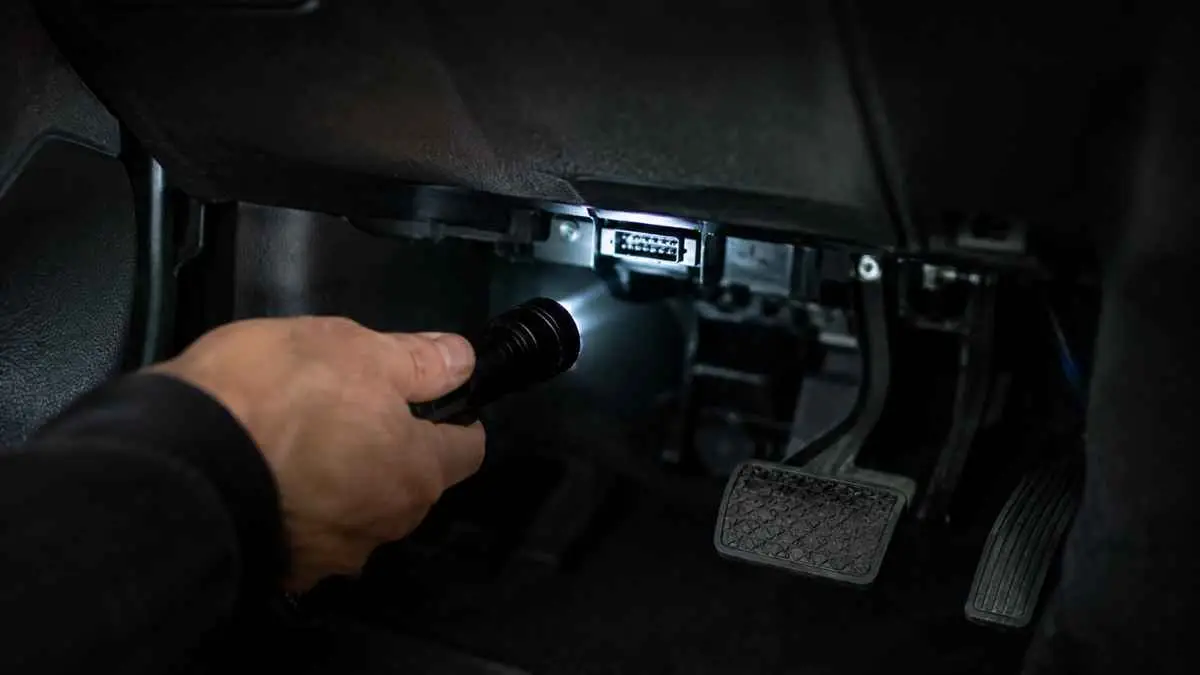
Every guide on this site, including the 100 code database, is built around OBD2 — the standardized system nearly every gasoline car in the US has used since 1996. But "nearly every" isn't "every," and if you're working on an older or imported vehicle, it's worth confirming which system you're actually dealing with before buying a scanner or searching for a code that won't mean what you think it means.
Why This Distinction Actually Matters
OBD2 standardized the diagnostic connector shape, the code format, and how codes are read across every manufacturer. That's why a fifteen-dollar generic scanner works on a Honda, a Ford, and a Toyota alike. OBD1 existed before that standardization — each manufacturer built its own system, with its own connector, its own code format, and often its own proprietary tool required to read it. A scanner built for OBD2 simply won't work on an OBD1 car; the systems aren't compatible.
The 30-Second Check
Check the model year
Virtually all gasoline vehicles sold in the US from 1996 onward are OBD2. If your car is from 1995 or earlier, it's almost certainly OBD1 or an earlier manufacturer-specific system.
Fastest, least certain methodLook at the port shape and location
OBD2 uses a standardized 16-pin trapezoidal connector, always located within reach of the driver's seat, usually under the dashboard near the steering column. OBD1 connectors vary widely by manufacturer in both shape and location, sometimes under the hood or behind interior panels.
Most reliable methodCheck the emissions sticker under the hood
Many OBD2-compliant vehicles carry a small emissions label that explicitly references "OBD II" or "OBD2 Compliant." If you see that wording, the answer is confirmed.
Good backup confirmationIf you've found what looks like the standard 16-pin port but a scanner won't power on or communicate, double check the ignition is in the "on" or "run" position without the engine necessarily running. If it still won't connect after that, the vehicle may not actually be OBD2 despite the port looking similar.
- Any standard scanner works, including budget options
- Codes are standardized across all brands
- Our full 100-code database applies directly to your car
- You'll need a scanner made for your specific manufacturer
- Codes aren't standardized the same way across brands
- Fewer affordable tool options exist compared to OBD2
- 1996 or newer — almost certainly OBD2.
- Check the port shape — standardized 16-pin trapezoid means OBD2.
- Look for the under-hood sticker — "OBD II" wording confirms it.
- OBD1 needs a manufacturer-specific scanner — standard tools won't work.