Before Buying a Used Car, Always Look for These 3 Hidden OBD2 Codes
A clean dashboard is easy to fake. What's actually stored in the computer is harder to hide.
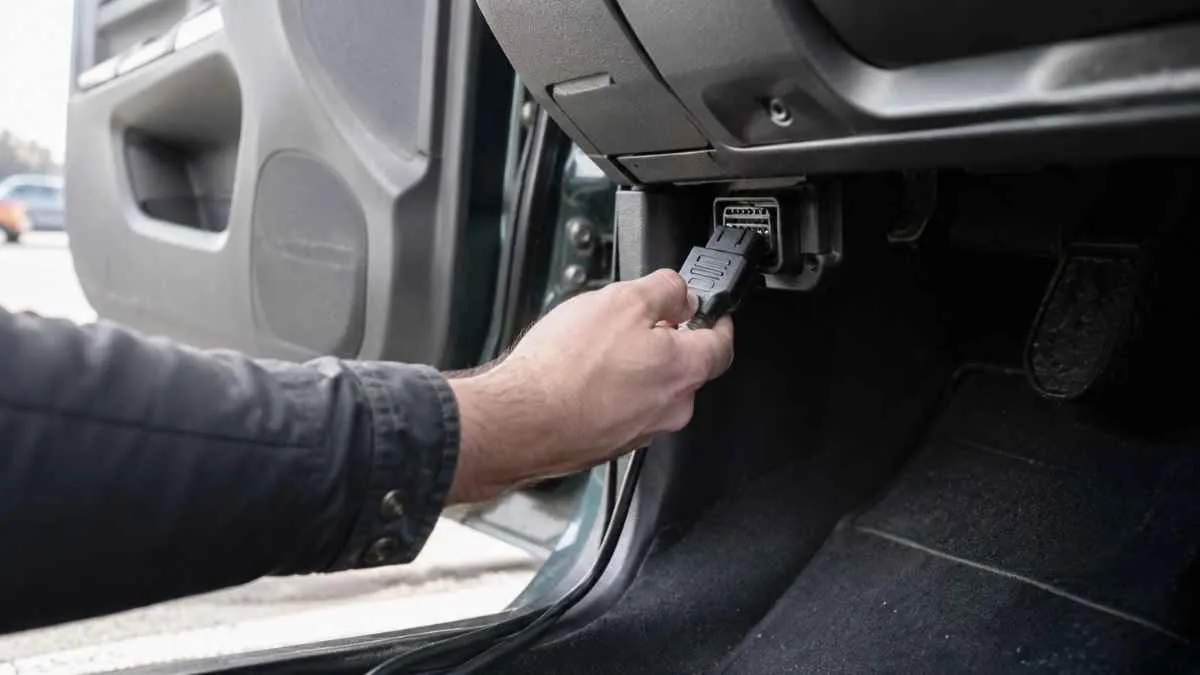
I've watched plenty of private sales happen with a buyer walking up, seeing no check engine light, and taking that as a good sign. It's an understandable assumption. It's also one that a $20 scanner and about ninety seconds can completely undo — because clearing a code is fast, cheap, and something plenty of sellers already know how to do before a buyer ever shows up.
That doesn't mean every clean-looking used car is hiding something. Most aren't. But the dashboard alone can't tell you that either way, and there's diagnostic data sitting in the car's computer that a basic reset doesn't fully erase. Bringing your own scanner to a used car viewing takes about the same effort as checking the tire tread, and it can tell you a lot more.
The 3 Things a Reset Dashboard Won't Hide
Pending Codes
A pending code means the computer detected a fault once, but it hasn't happened consistently enough yet to turn the light on. It sits there quietly, invisible from the driver's seat, but fully visible to a scanner. Finding a pending code on a test drive is a useful early signal — it means something is starting to go wrong, even if the seller genuinely doesn't know about it yet.
Permanent Codes
This is the one that matters most. Permanent codes are specifically designed to survive a basic clear — they only erase automatically after the vehicle completes several successful drive cycles with the fault not reappearing. If a seller cleared the codes shortly before you arrived, a permanent code from that same recent issue may still be sitting there. Seeing one is a strong signal that a real problem existed recently, whether or not the seller mentioned it.
Freeze Frame Data
When a code is stored, the computer also saves a snapshot of conditions at that exact moment — mileage, engine temperature, RPM, and a few other data points. This freeze frame data can help you sanity-check the seller's story. If the freeze frame shows a fault at a mileage well below what the odometer reads today, that's worth asking about directly.
A basic OBD2 scanner costs a small fraction of what a single unexpected repair on a used car runs. Bringing your own to a viewing, plugging it in before the test drive, and checking all three of the above takes about five minutes — and it's information no seller's description or dashboard reset can override.
What to Do With What You Find
None of this is about walking away from every car that has stored data — that would rule out a huge share of perfectly reasonable used cars. It's about having an honest conversation instead of a blind one. If you find a pending or permanent code, ask the seller directly what happened. A seller who genuinely didn't know will usually be willing to explain or knock a fair amount off the price. A seller who gets defensive about a two-minute scan is telling you something too.
- Bring your own scanner — plug in before the test drive, not after.
- Check for pending codes — issues forming that haven't triggered the light yet.
- Check for permanent codes — these survive a basic clear and signal a recent real issue.
- Check freeze frame data — cross-check the mileage shown against the odometer today.
- Ask, don't assume — how a seller responds tells you as much as the code itself.