Cleared Your Check Engine Light? Why Driving Instantly to the Inspection Station Will Make You Fail
The light being off feels like a green light for inspection. It's actually the opposite.
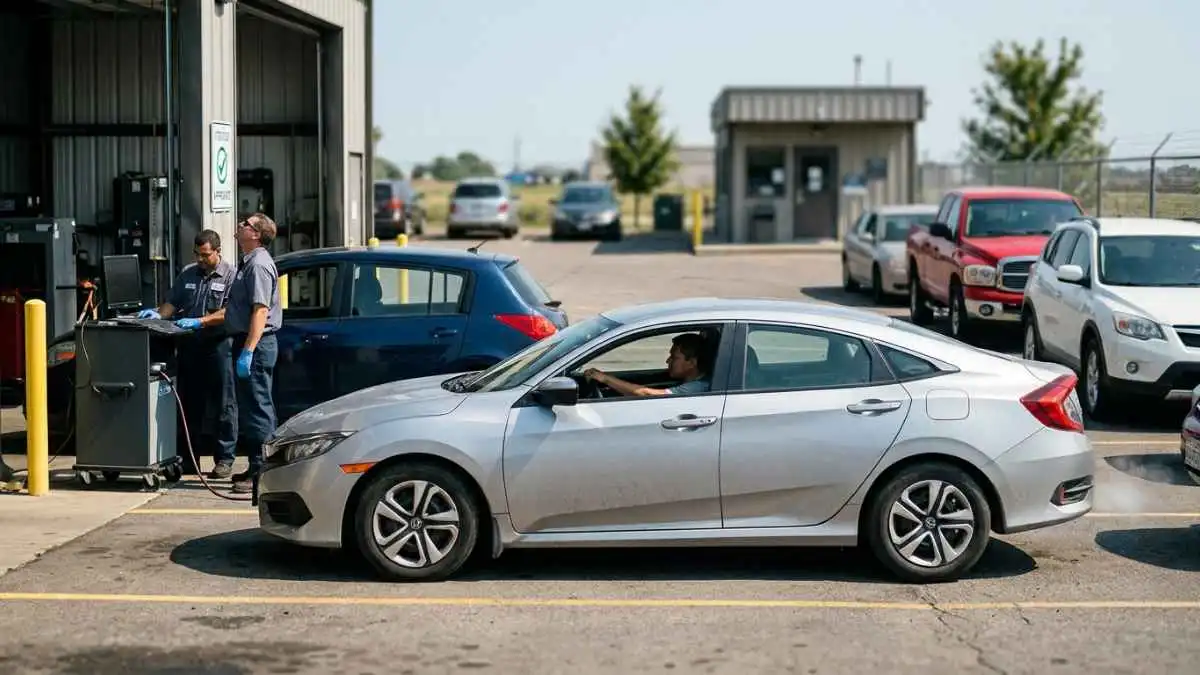
This is one of the most common — and most avoidable — inspection failures I've seen over the years, and the logic behind it makes sense on the surface, which is exactly why it keeps happening. Someone notices their check engine light, clears the code the night before or morning of their inspection, and drives straight there thinking a dark dashboard means a clean pass. Instead, they fail. Not because anything is actually wrong with the car anymore, but because of timing.
The Scenario That Catches Everyone Off Guard
The reasoning feels sound: no light, no problem, should pass. But an emissions inspection isn't just checking whether the light is on. It's also checking how many of the car's internal self-tests — called readiness monitors — have had the chance to run and report a result. Clearing a code resets those monitors back to "not ready," exactly the same way it resets the code itself. A car that just had its codes cleared almost always shows up to inspection with several monitors incomplete, and most testing programs will fail a vehicle outright if too many are still not ready, regardless of whether a code exists.
Why Clearing the Code Guarantees an Incomplete Monitor Check
There's no way around this specific mechanic: clearing a code and completing readiness monitors are mutually exclusive at the moment of clearing. The reset that turns the light off is the same reset that wipes monitor status. You cannot have a freshly cleared code and a fully "ready" set of monitors on the same drive. The only way to get both is time and normal driving in between.
Clearing the code doesn't prepare your car for inspection — it does the opposite. It resets the exact thing the inspection is checking, and driving straight there afterward all but guarantees a fail on monitor readiness, even with a perfectly healthy engine.
How Long You Actually Need to Wait
There's no single universal number of miles or days, since it depends on the vehicle and which specific monitors reset. As a general pattern, expect somewhere between several days and a couple of weeks of normal, varied driving — a mix of city stop-and-go, sustained highway speed, and at least one full cold start — before most or all monitors report back as ready. Short trips of a few minutes repeated over and over tend to be the least effective way to complete them.
If an inspection is coming up and you're dealing with an active code, get the underlying cause fixed first, then drive normally for at least a week before the test — don't clear the code as a shortcut on the way there. If you've already cleared it and the test is imminent, it's more realistic to reschedule than to try to rush the monitors.
- Clearing a code resets readiness monitors too — they can't both be cleared and ready at once.
- Inspections check monitor status, not just whether the light is on.
- Expect several days to a couple of weeks of normal driving to complete them again.
- Fix the cause first, then drive, rather than clearing the code right before a test.
- If the test is today, rescheduling is more realistic than trying to force monitors to complete.