Why Your Car Fails the Emissions Test (Even If the Check Engine Light Is Off)
A dark dashboard isn't the only thing the inspection checks. There's a second test happening you probably never hear about.
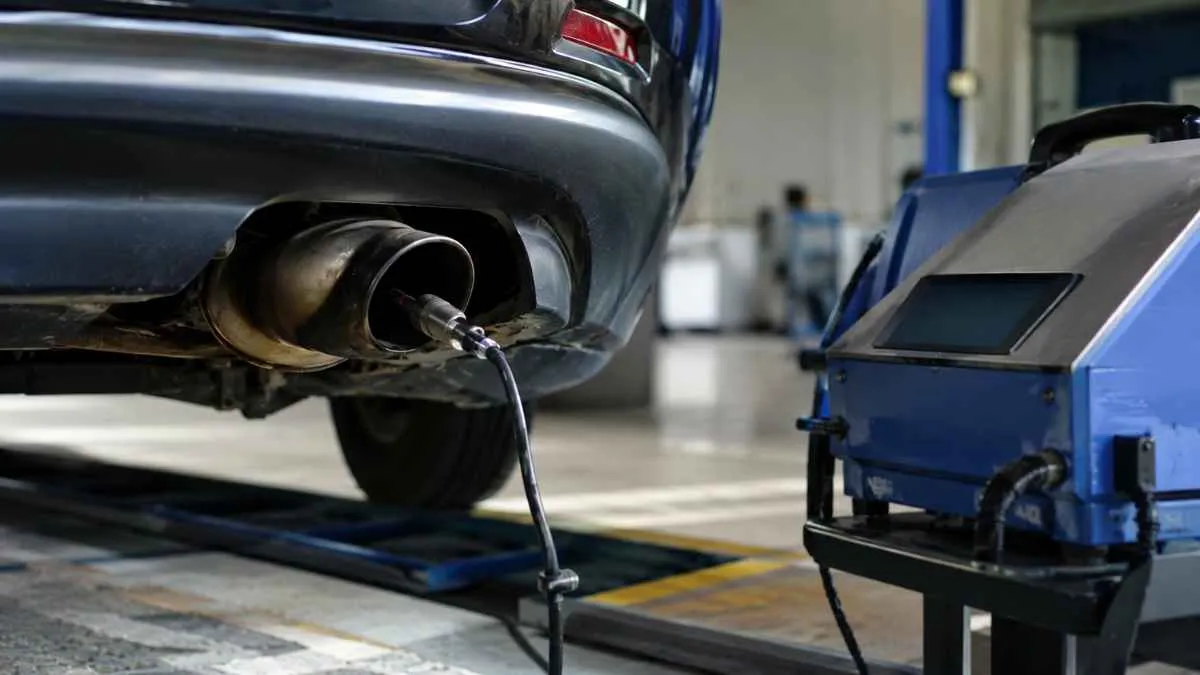
This one catches people off guard more than almost any other diagnostic surprise I've seen. Someone comes in confused and a little frustrated: no check engine light, car runs fine, and they still failed their emissions test. It feels like it shouldn't be possible. But there's a second thing being checked besides whether the light is on, and it rarely gets explained anywhere the average driver would see it.
The Light Isn't the Only Thing Being Checked
Behind the scenes, your car's computer runs a series of ongoing self-tests called readiness monitors. Each one checks a specific system — the catalytic converter, the evaporative emissions system, the oxygen sensors, and a handful of others. As the car is driven under normal conditions, each monitor eventually completes and reports back as "ready."
An emissions test doesn't just check for stored codes and a lit-up dashboard. It also checks how many of these monitors are marked ready. If too many are still sitting in a "not ready" state, most testing stations will fail the vehicle automatically, regardless of whether anything is actually wrong.
Why Monitors Reset to "Not Ready"
Monitors don't stay completed forever once they're first checked off. A handful of common events reset them back to zero:
A battery disconnect or replacement
Losing power to the computer clears its memory of completed monitors, along with everything else stored.
Clearing a code
Whether done with a scanner or by disconnecting the battery, clearing codes resets readiness monitors right along with the fault codes.
Recent repair work
Some repairs involve disconnecting the battery or resetting the computer as part of the process, which resets monitors as a side effect.
None of these events are unusual or something to avoid — a dead battery happens, repairs happen. The problem only shows up if you head straight to an emissions test right afterward, before the monitors have had a chance to complete again through normal driving.
Someone gets a repair done, or their battery is replaced, and drives straight from the shop to the inspection station the same day. The car is running perfectly fine — the actual problem was already fixed — but the test fails anyway because the monitors haven't had enough driving time to report back as ready. It has nothing to do with the quality of the repair and everything to do with timing.
How to Get Your Monitors Ready Before the Test
The fix is simple, if occasionally inconvenient: drive the car normally for a few days before your test, ideally including a mix of city driving, a stretch of steady highway speed, and at least one cold start. This mirrors the same drive cycle that clears a check engine code naturally, covered in our guide to resetting a check engine light. If you know an inspection is coming up, it's worth avoiding a code clear or battery disconnect in the days right before it, for exactly this reason. Our guide on why clearing a code right before inspection guarantees a fail goes deeper into that specific scenario.
- Emissions tests check readiness monitors, not just the check engine light.
- Battery disconnects, code clears, and some repairs all reset monitors back to "not ready."
- A few days of normal driving — city, highway, and a cold start — completes them again.
- Avoid clearing codes or disconnecting the battery right before a scheduled inspection.