Is It Safe to Drive With a Check Engine Light On? (The Red Flags You Shouldn't Ignore)
The light isn't the whole story. Whether it's steady or flashing tells you almost everything you need to know.
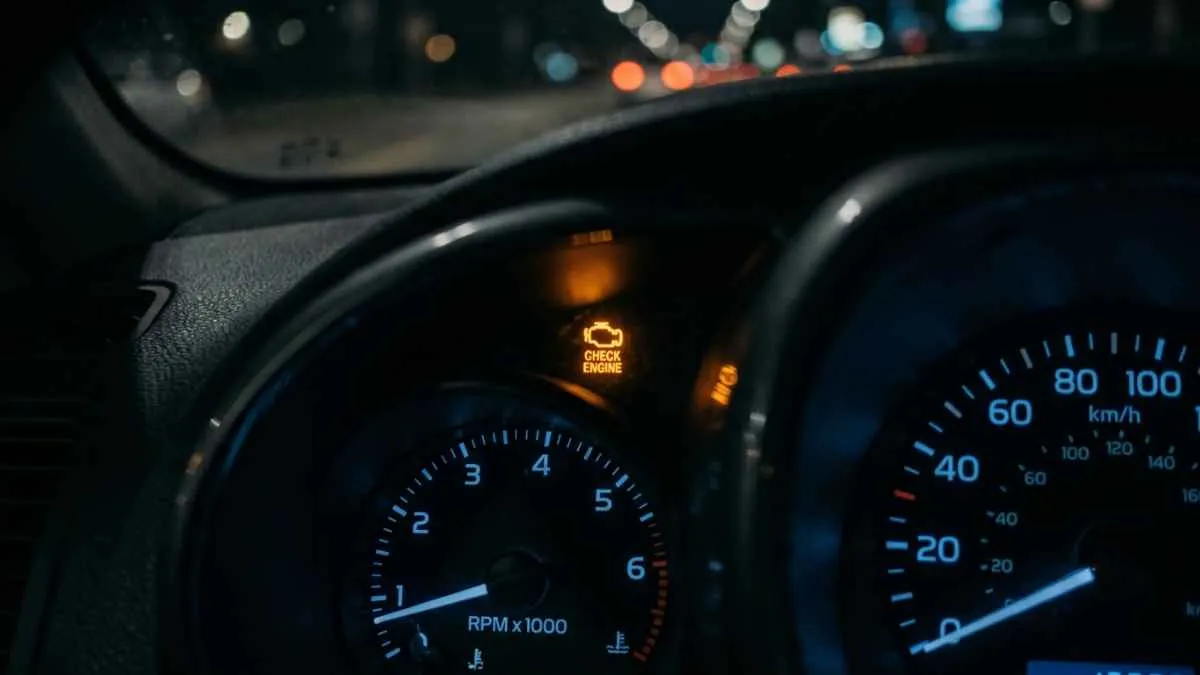
This is probably the single most common question I got asked at the service counter, usually from someone standing next to their car in a parking lot, phone in hand, trying to decide whether to keep driving or call a tow truck. And honestly, it's a fair question — nobody explains this on the dashboard itself, so people are left guessing.
The good news is there's an actual answer, and it doesn't require a mechanic to figure out. It comes down to one detail almost everyone overlooks in the moment of panic: is the light steady, or is it flashing?
Steady Light vs. Flashing Light — This Is the Detail That Matters Most
A steady check engine light means your car's computer detected something outside normal range — maybe a sensor reading that's off, or an emissions system that isn't performing quite right. It's a "get this looked at soon" signal, not a "pull over immediately" one. Most cars in this state drive completely normally.
A flashing check engine light is a different situation entirely. This almost always means the engine is misfiring — a cylinder isn't burning fuel properly, and unburned fuel is being dumped straight into the exhaust system. That unburned fuel hits your catalytic converter, which runs hot enough to ignite it internally. In other words, a flashing light isn't just a warning about a problem — it's telling you a second, more expensive problem is actively happening right now, with every mile you keep driving.
- Car drives and idles normally
- No unusual sounds, smells, or smoke
- No other warning lights joined it
- Plan: get it scanned within the next few days
- Light is blinking, not steady
- Noticeable loss of power or rough running
- Smell of fuel or visible exhaust smoke
- Plan: reduce speed, avoid highway driving, get off the road safely
The Symptoms That Matter More Than the Light Itself
The light is only one input. What your car is actually doing matters just as much, if not more. Pay attention to whether any of these are happening alongside it:
- Loss of power or hesitation when accelerating — the engine struggling to respond
- Rough or uneven idle — the car shaking or vibrating more than usual at a stop
- Any burning smell — especially something sweet (coolant) or like rotten eggs (catalytic converter under stress)
- Smoke from the exhaust — blue, white, or black, any of them is worth pulling over for
- The temperature gauge climbing toward the red zone — this changes everything, covered below
Check engine light plus a rising temperature gauge is the one combination that turns a "drive carefully to a shop" situation into a "pull over now" situation. Continuing to drive an overheating engine risks warping the cylinder head or worse — damage that costs far more than almost any check engine code on its own. If you see both at once, get off the road and let the engine cool before doing anything else.
What Happens If You Keep Driving Anyway
With a steady light and no other symptoms, driving for a few more days while you arrange to get it checked is a reasonable, low-risk decision. Most people do exactly this, and it works out fine.
With a flashing light, every mile adds more raw fuel exposure to a catalytic converter that isn't designed to handle it. What started as a spark plug or ignition coil — both inexpensive, common fixes — can turn into a catalytic converter replacement, which costs substantially more and could have been avoided entirely by pulling over sooner.
- Steady light, car drives normally → safe to drive carefully, get it scanned soon.
- Flashing light → reduce speed, avoid the highway, get off the road when safe.
- Rising temperature gauge, any smoke, or fuel smell → pull over now, regardless of what the light is doing.
- When in doubt, treat it like the flashing scenario — it costs you a short delay, not a catalytic converter.